
Matthew Sampson Matthew Sampson

Your First 90 Days as a Leader: Build Relationships, Build Momentum, Build Your BASE

Stepping into a leadership role is one of the most defining transitions in a career. Whether you’re leading people for the first time or stepping into a bigger team, those first 90 days shape everything that follows—your credibility, your culture, and your team’s confidence in you.

Most new leaders think success comes from having the perfect plan. But the truth is more nuanced. A powerful mantra to guide your early days is: Plan the work > Work the plan.


Why? Because planning forces clarity. It forces intention. It forces you to understand your people, your environment, and your priorities before you start executing. A plan is not a rigid checklist—it’s a compass. And the compass only works when you’re deeply connected to the people you’re leading.

At the heart of every successful 90‑day transition is one thing: Real relationships. Not surface‑level rapport. Not transactional check‑ins. But genuine, human connection.


And that’s where the BASE leadership framework becomes your anchor.

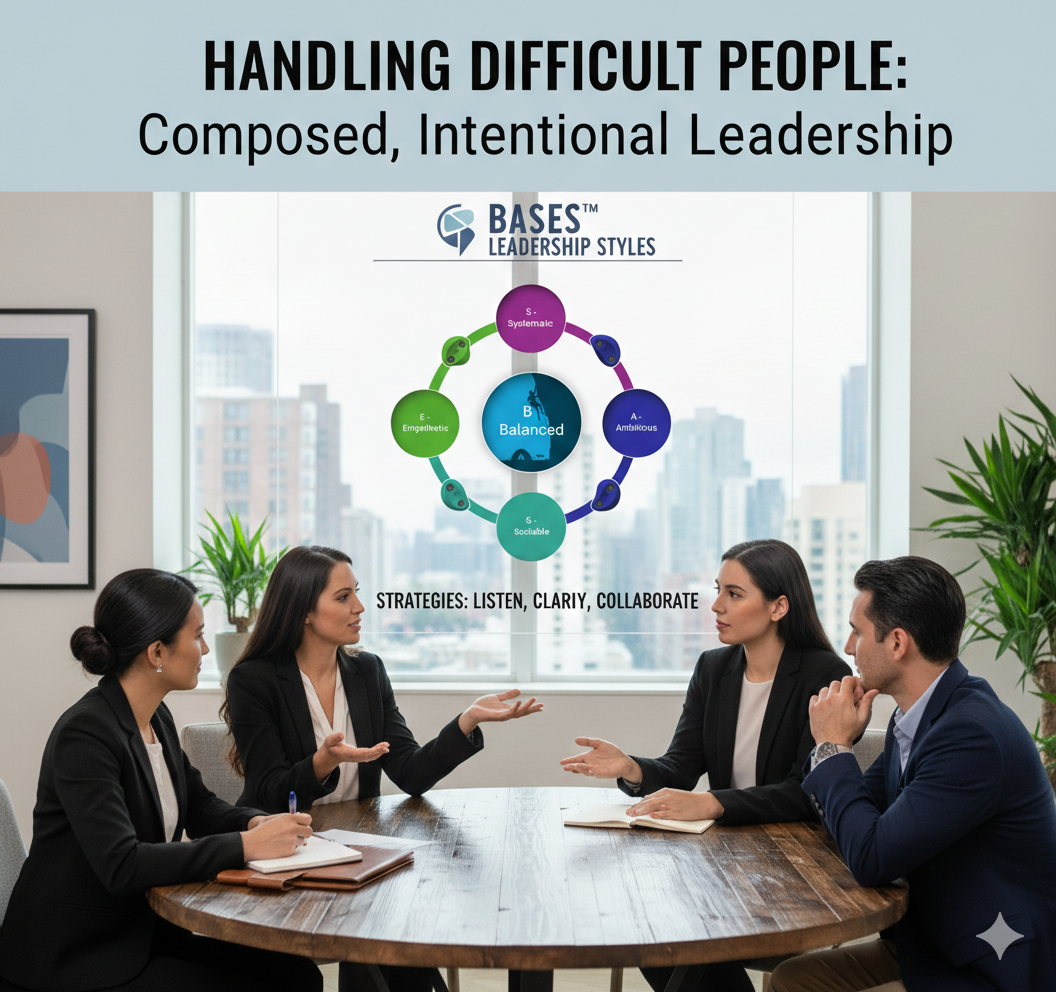
🔶 The BASES™ Leadership Framework

Balanced • Ambitious • Sociable • Empathetic • Systematic These five leadership identities help new leaders navigate their first 90 days with confidence, clarity, and authenticity.

Each style plays a role in your early success—and the strongest leaders learn to use all five.


🔷 Month 1: Lead Self

Your focus: Clarity, grounding, and understanding the landscape

Before you lead others, you must understand yourself—your strengths, your blind spots, and your natural leadership tendencies. This is where BASE begins to shape your approach.

Balanced – Your Anchor Point

In your first month, you need versatility. You’re learning the terrain, reading the room, and adjusting your stance. Balanced leaders excel at:

  • Situational awareness, adapting to different personalities & navigating complexity

Systematic – Your Technical Expert

You’re absorbing information, analysing processes, and mapping the route ahead. Systematic leaders bring:

  • Analytical depth, strategic clarity & quality assurance

This is where you plan the work

Your Month 1 Priorities

  • Meet every team member

  • Understand expectations from your manager

  • Review goals, KPIs, and performance

  • Build your personal operating rhythm

  • Identify early risks and opportunities

This month is about building your foundation—your BASE.


🔷 Month 2: Lead Others

Your focus: Trust, communication, and relationship building

This is where the real work begins. Leadership is a relationship, not a role. And your success depends on how deeply you connect with your people.

Sociable – Your Route Partner

This style becomes essential in Month 2. Sociable leaders:

  • Build trust, strengthen team cohesion & communicate with clarity and warmth

You’re not just leading tasks—you’re leading humans.

Empathetic – Your Safety Anchor

Empathy is your credibility builder. Empathetic leaders:

  • Tune into team signals, create psychological safety & support people through change

This is where you show your team that you’re not just here to manage them—you’re here to support them.

Your Month 2 Priorities

  • Hold meaningful 1:1s, understand motivations and frustrations & demonstrate reliability through follow‑through

This month is about building trust—your strongest currency as a leader.


🔷 Month 3: Lead Teams

Your focus: Alignment, momentum, and collective performance

Now that you’ve built individual relationships, it’s time to shape the team as a whole.

Ambitious – Your Lead Climber

This is where ambition becomes your engine. Ambitious leaders:

  • Set clear direction, accelerate results & Drive bold transformation

You’re no longer just learning—you’re leading.

Balanced + Systematic + Sociable + Empathetic + Ambitious = Team Momentum

By Month 3, you’re integrating all BASE styles and this is where your leadership identity becomes visible.

Your Month 3 Priorities

  • Align the team around shared goals

  • Identify and deliver quick wins

  • Strengthen team rituals and rhythms

  • Remove friction and blockers

  • Celebrate progress

This month is about building momentum—your team’s and your own.


🔶 Why Relationships Are the Real Secret to 90‑Day Success

You can have the best plan in the world, but without trust, it won’t matter. You can have the clearest strategy, but without connection, no one will follow it. You can have the strongest ambition, but without empathy, people will resist it.

Your first 90 days are not about proving yourself—they’re about connecting yourself to the people you lead.

When you build real relationships:

  • People tell you the truth

  • They give you context

  • They support your decisions

  • They follow your direction

  • They feel safe to perform

Relationships turn your plan into progress.

🔶 Bringing It All Together

Your first 90 days are your leadership launchpad. And the BASES™ framework gives you the five identities you need to lead with authenticity and impact.


This is how authentic leaders are built. Book your FREE consultation session today!

Read More
Matthew Sampson Matthew Sampson

Being a Great People Leader: What Every New Leader Should Know!

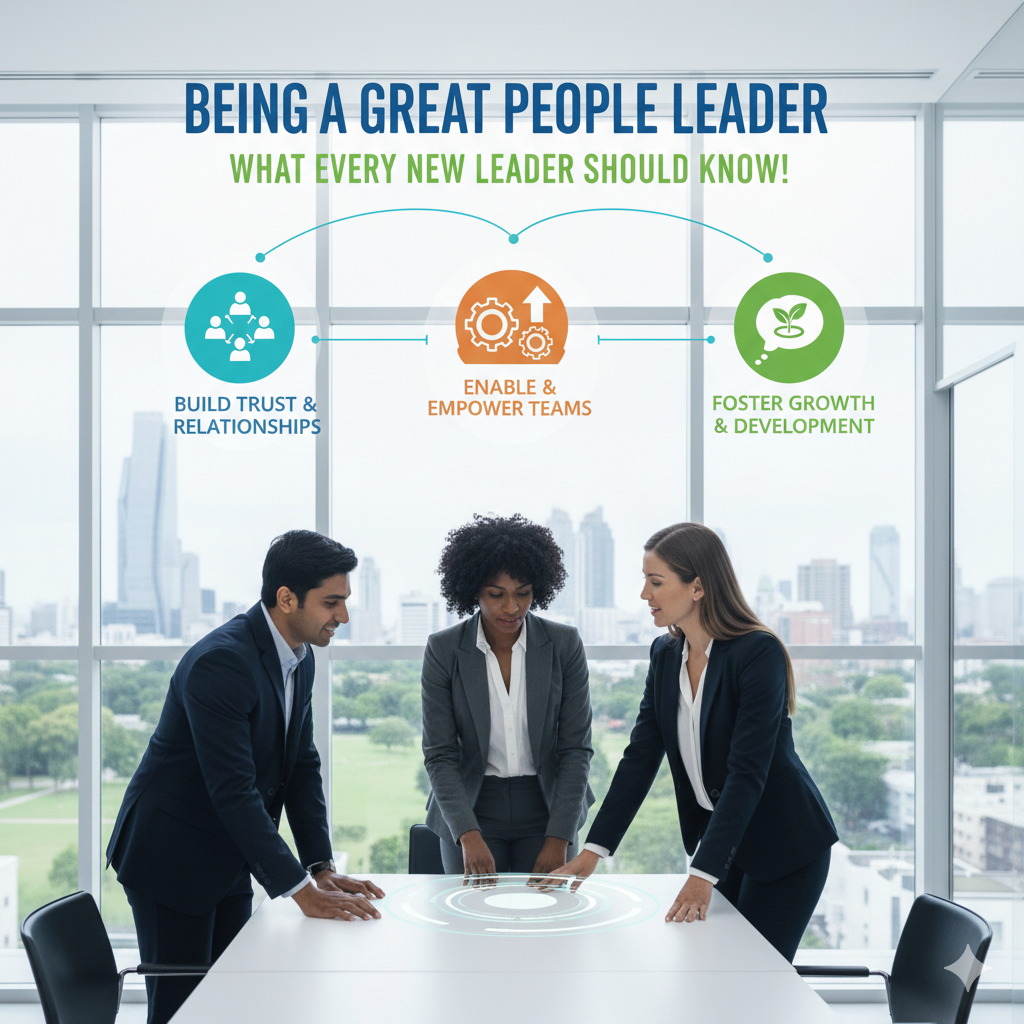
Stepping into your first people‑leadership role is a milestone that feels equal parts thrilling and daunting. Suddenly, you’re responsible not just for your own performance, but for shaping the environment where others do their best work. The good news is that great leadership isn’t about perfection — it’s about intention, awareness, and the willingness to grow alongside your team.

This blog explores the foundational mindsets and behaviours that set exceptional leaders apart, focusing on what matters most in the early stages of your leadership journey.


Shift Your Mindset: From Doer to Enabler

One of the biggest transitions for new leaders is recognising that your success is no longer measured by what you deliver, but by what your team achieves. That shift can feel uncomfortable at first, especially if you’ve built your career on being the go‑to problem solver.

Great leaders embrace a new purpose: creating the conditions where others can thrive. That means stepping back from the spotlight, empowering others to take ownership, and celebrating their wins as your own.

Another essential mindset shift is understanding that people follow what you model, not what you announce. Your consistency, integrity, and behaviour set the tone for the entire team. When your actions align with your words, trust grows naturally.

And perhaps most importantly, curiosity becomes more valuable than certainty. You don’t need to have all the answers. You do need to ask thoughtful questions, listen deeply, and stay open to perspectives that differ from your own.


Build Trust Early and Intentionally

Trust isn’t a perk of leadership — it’s the foundation. Without it, even the most talented teams struggle. With it, teams become resilient, creative, and aligned.

One of the most powerful ways to build trust is by creating psychological safety. When people feel safe to speak up, challenge ideas, and admit mistakes, innovation flourishes. As a leader, you set the tone by welcoming diverse viewpoints, responding calmly to bad news, and showing that learning matters more than blame.

Clarity is another underrated trust‑builder. Ambiguity breeds anxiety, while clear expectations, priorities, and feedback help people feel grounded and confident. Being direct isn’t harsh — it’s kind.

And never underestimate the impact of making people feel seen. Take the time to understand each person’s strengths, motivations, and aspirations. Leadership becomes far more effective (and far more human) when you recognise the individual behind the role.


Communicate Like a Leader

Communication is where leadership lives or dies. New leaders often assume they’re being clear, but teams frequently experience the opposite.

Early on, it’s better to over‑communicate than under‑communicate. Share context, explain decisions, and check for understanding. Silence creates uncertainty; transparency creates alignment.

Feedback is another essential skill — and it works best when it’s timely, specific, and part of everyday conversations rather than reserved for formal reviews. When feedback becomes normal, it becomes easier, more honest, and more effective.

And above all, remember that listening is a leadership skill. Not passive listening, but the kind where people walk away feeling genuinely understood. When your team feels heard, they’re far more likely to engage, collaborate, and trust your direction.


 #basementoring

Read More
Matthew Sampson Matthew Sampson

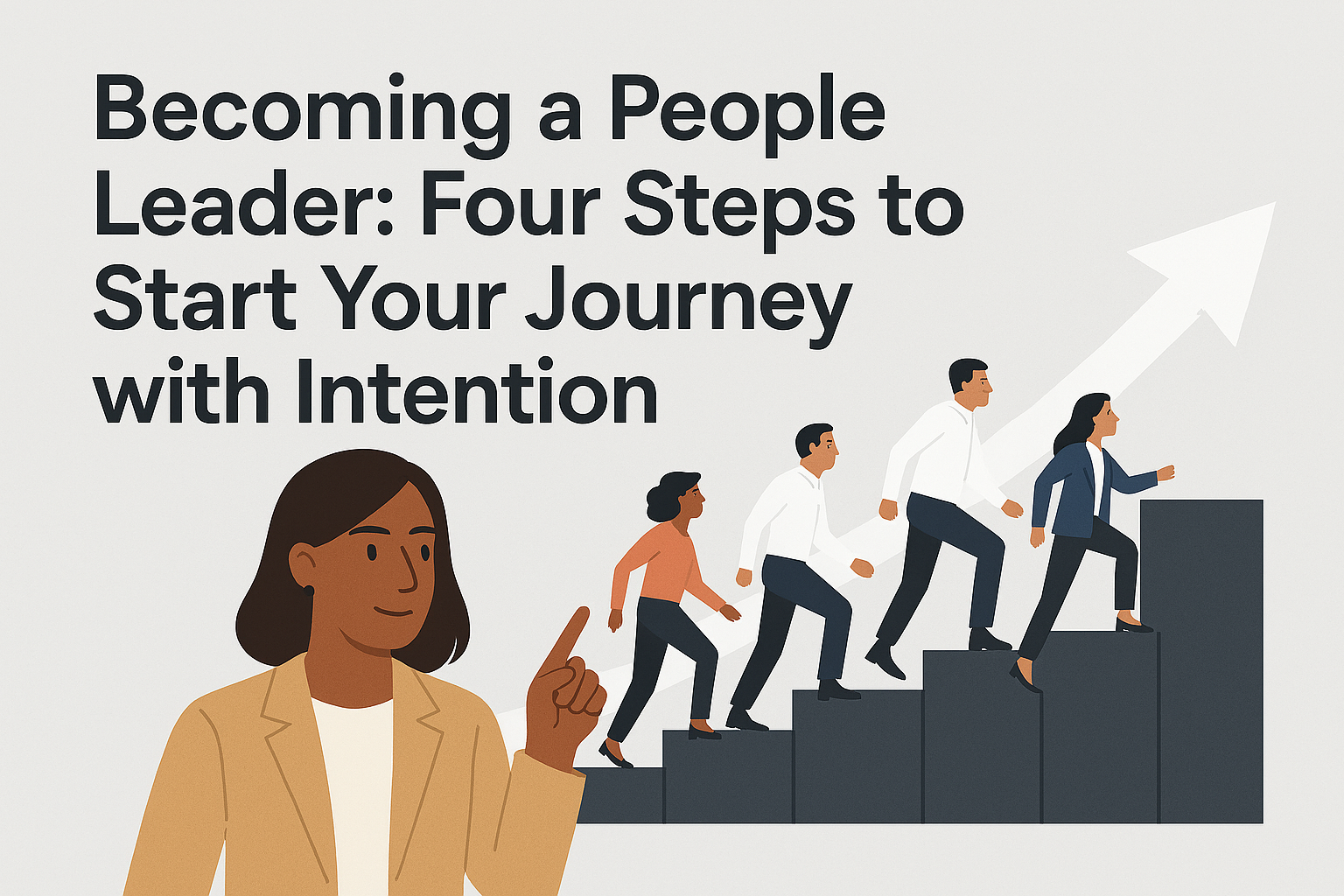
Becoming a People Leader: Four Steps to Start Your Journey with Intention

Becoming a People Leader: Four Steps to Start Your Journey with Intention

Every great people leader begins in the same place: with a spark. A spark of curiosity, a desire to make an impact, and a belief that leadership is not a title but a practice. If you’re an emerging leader wondering how to take your first steps, the path is far more accessible—and far more personal—than you might think.

People leadership isn’t something you wait to be handed. It’s something you grow into. And the most successful leaders start by investing in four foundational habits that shape their mindset, their relationships, and ultimately, their influence.


1. Expand Your World Through Networking

No two leadership journeys look the same. That’s why one of the most powerful things you can do early on is talk to people who’ve walked the path before you. Ask about their experiences, their challenges, their turning points. Listen for the lessons that resonate with you.

Networking isn’t about collecting contacts—it’s about collecting perspectives. Each conversation gives you a clearer picture of what leadership can look like and helps you define what it should look like for you. The more stories you hear, the more confident you become in writing your own.

2. Find a Mentor You Can Trust

A mentor is more than a guide—they’re a compass. The right mentor helps you navigate complexity, challenge your assumptions, and stay grounded in your values. The wrong mentor can unintentionally steer you off course.

That’s why choosing a mentor is one of the most critical decisions you’ll make. Look for someone who listens deeply, gives honest feedback, and genuinely wants to see you grow. When you find that person, invest in the relationship. Mentorship is a partnership, not a transaction.

3. Create Your Own Opportunities to Lead

Leadership doesn’t begin when you’re given a team. It begins when you decide to step up.

You don’t need a formal title to demonstrate leadership—just initiative. Gather colleagues for a social event. Organize a volunteer day. Lead a community project. These moments allow you to practice the skills that matter most: communication, coordination, empathy, and influence.

When you create opportunities rather than waiting for them, you show others—and yourself—that you’re ready for more.

4. Build Trust by Investing in Your Peers

Trust is the currency of leadership. Without it, influence is shallow and short‑lived. With it, you can move mountains.

Start by building genuine relationships with your peers. Understand their goals. Celebrate their wins. Offer support when they need it. When you positively impact someone’s career, you’re not just being a good colleague—you’re becoming the kind of leader people want to follow.

Trust isn’t built through grand gestures. It’s built through consistent, authentic connection.


The Path Forward

Becoming a people leader isn’t about waiting for permission. It’s about choosing to lead in the moments that matter—conversations, collaborations, and community.

Network widely. Seek mentorship wisely. Create opportunities boldly. Build trust intentionally.

If you commit to these four practices, you won’t just be preparing for leadership. You’ll already be leading.

#basementoring

Read More